
Bathroom Remodeling in Leesburg, FL
A bathroom usually lets you know when it is due. Grout that keeps cracking, a floor that feels soft near the toilet, mildew that comes back days after cleaning, or a tub nobody has used in years. Bathroom remodeling in Leesburg deals with those signs at the source and gives you a room that is easier to keep clean and easier to use.
Construction Unlimited of Lake County remodels bathrooms for homeowners in Leesburg and the surrounding area, from a single hall bath to a primary suite.
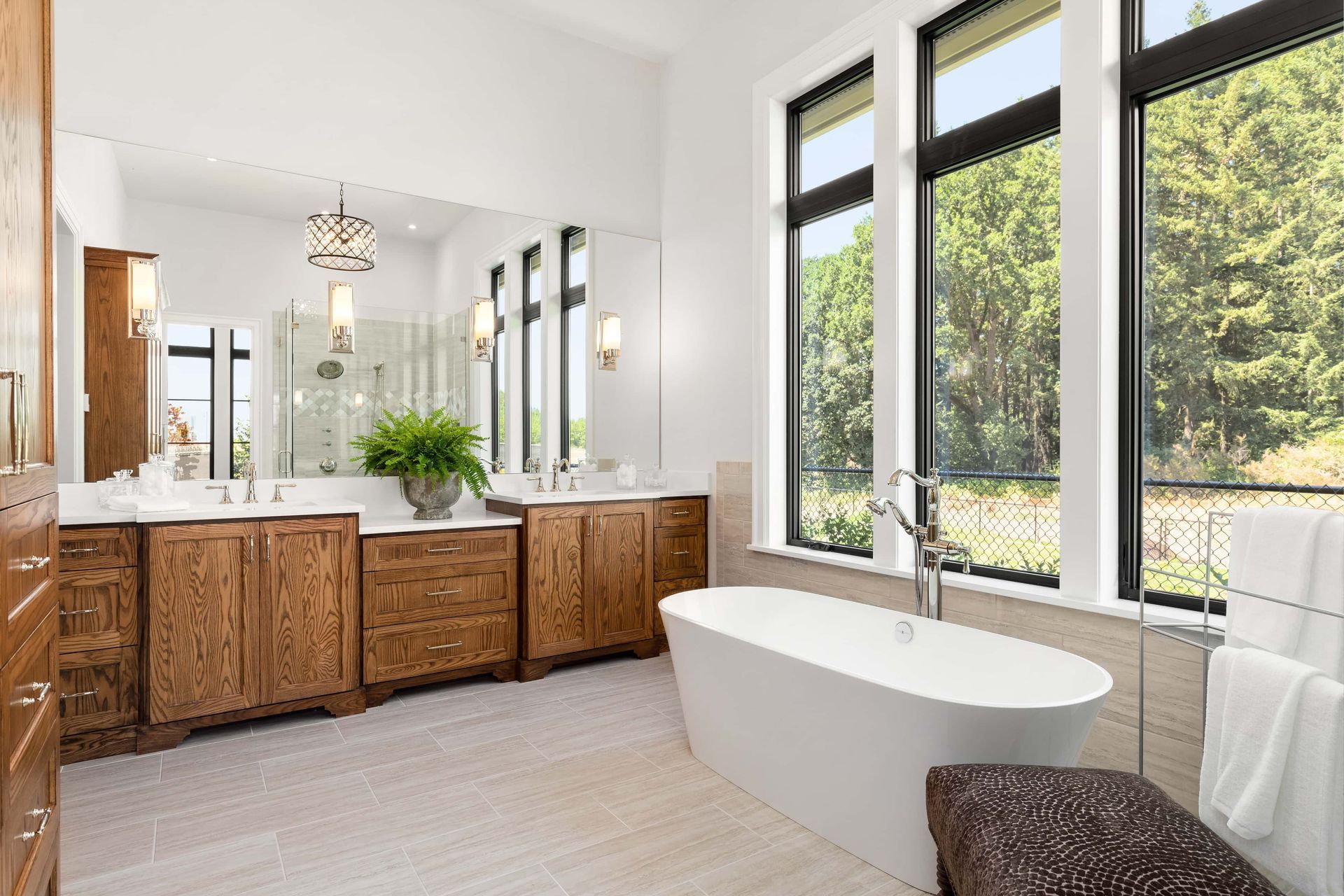
Parts of a Bathroom Remodel
Each bathroom project is a mix of a few core pieces. Some remodels touch all of them, and some focus on one.
Showers and Tubs
Tub-to-shower conversions are one of the most common bathroom changes, especially in homes where the tub has become a place to store things. A walk-in shower can fit in the footprint of a standard tub alcove. Where floor space allows, a separate soaking tub and shower can share the room instead.
Vanities, Storage, and Fixtures
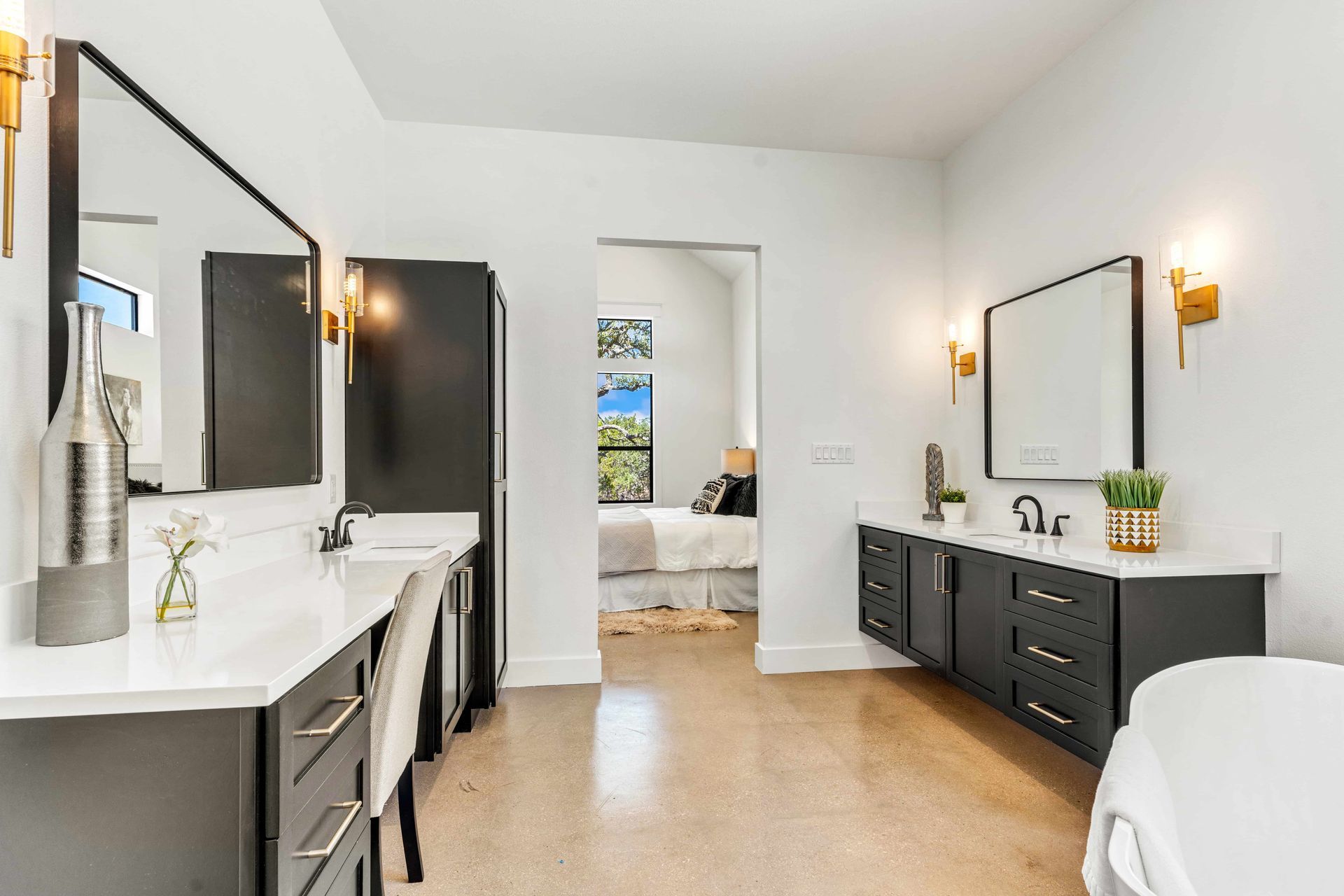
A new vanity changes both the look and the usefulness of the room. Double sinks, deeper drawers, and medicine cabinets recessed into the wall add storage without crowding the floor. Faucets, toilets, and lighting round out the update.
Tile and Flooring
Tile sets the tone of a bathroom and takes the most abuse. Porcelain holds up well on floors and shower walls, and larger tiles mean fewer grout lines to scrub.
When the Kitchen or Bath Is the Problem
Planning for the Years Ahead
A remodel is the easiest moment to make a bathroom work for people at every age. Solid wood blocking inside the walls lets grab bars go in securely now or later. A curbless shower entry removes a step that can become a hazard. A comfort-height toilet and a wider doorway cost little extra while the walls are open and are much harder to add afterward.
Bathrooms Around Leesburg
Our bathroom work serves homeowners in Leesburg along with Fruitland Park, Eustis, and Mount Dora. If the bathroom is one piece of a larger plan, kitchen remodeling in Leesburg draws on many of the same trades. For a family that needs an extra bath entirely, room additions in Leesburg can create one from new space. Everything else we offer is on the Construction Unlimited of Lake County home page.
Keeping Water Where It Belongs
What happens behind the tile matters more than the tile itself. Shower walls need a true waterproofing layer, not just backer board, and the shower floor has to slope toward the drain so water never sits. An exhaust fan vented to the outside, sized for the room, pulls moisture out before it can settle into drywall and framing.
In a climate where indoor air rarely feels dry, those details decide whether a bathroom still looks good in ten years or starts growing mold in two.
Bathroom Remodeling Questions
Is cement backer board waterproof?
No. Cement board tolerates moisture without breaking down, but water passes through it. Behind shower tile it needs a waterproofing membrane on top, either a sheet product or a liquid-applied coating, so moisture cannot reach the studs.
How big should a bathroom exhaust fan be?
The Home Ventilating Institute recommends 1 CFM of airflow per square foot of floor area for bathrooms under 100 square feet, with a minimum of 50 CFM. The fan should vent through the roof or an exterior wall, never into the attic.
Can a tub be converted to a walk-in shower?
Usually, yes. A standard tub alcove is about 60 inches long, which is enough room for a comfortable shower. In a slab home the drain often has to be relocated in the concrete, and the new shower floor is built to slope about a quarter inch per foot toward it.
Why do bathroom floor tiles crack?
Most cracked tile traces back to movement underneath, such as a shifting subfloor or a hairline crack in the slab telegraphing upward. A crack isolation membrane installed under the new tile absorbs small movements so they do not reach the surface.
Should grab bars be planned even if we do not need them yet?
It is worth it. Wood blocking installed between the studs during the remodel gives grab bars a solid anchor point later. Grab bars meeting ADA standards are designed to support 250 pounds, and that rating depends on being fastened into solid backing rather than drywall alone.